Chatbot vs Help Desk: Which Does Your Business Need?
Chatbot or help desk? Here's what each one does, where each falls short, and how to choose based on your team size and support volume.
Most businesses ask this question at the worst possible moment: right after a customer email gets buried, or when someone on the team says, "Maybe we should just get a chatbot."
The question itself is a bit of a trap. A chatbot and a help desk aren't really competing products. They do different jobs, and picking the wrong one first can cost you money and customer goodwill.
Let's sort it out.
What a help desk actually does
A help desk is the system your team uses to manage customer questions. Emails, forms, chats and social messages all land in one shared inbox. Each one becomes a ticket. Tickets get assigned, tracked, prioritized and closed.
Think of it as the filing cabinet and the traffic controller for your support team. It doesn't answer anyone on its own. People do that. The help desk makes sure nothing slips through the cracks.
What you get with a help desk:
One place for every customer conversation
Ticket ownership, so two people don't reply to the same customer
History, so a customer doesn't have to explain their problem three times
Reporting on response times and common issues
A knowledge base where customers can find answers themselves
What a chatbot actually does
A chatbot is an automated assistant that talks to customers, usually through a chat window on your website or a messaging app like WhatsApp. It answers common questions, collects details, and points people to the right page or person.
A good chatbot saves your team from typing the same reply for the fortieth time. A bad one traps people in a loop of "Sorry, I didn't understand that."
What a chatbot is good at:
Answering simple, repeated questions (shipping times, pricing, store hours, password resets)
Replying at 3 a.m. when nobody on your team is awake
Collecting a name, order number and issue before a human steps in
Handling a sudden spike in basic questions
What it's bad at:
Angry or upset customers
Anything that needs judgment, like a refund exception
Messy, multi-part problems
Questions it has never seen before
The key difference in one line
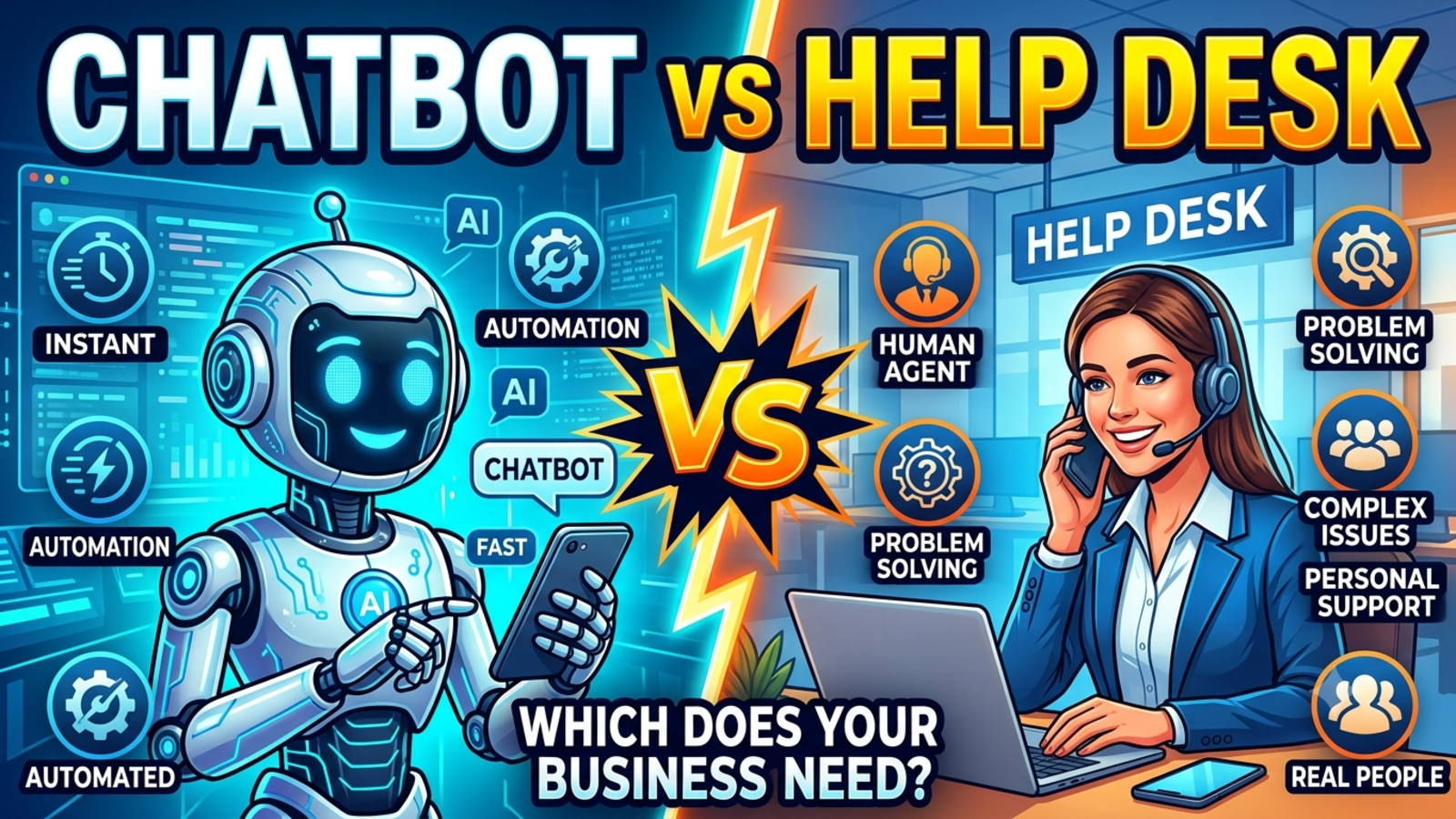
A help desk organizes your support. A chatbot automates part of it.
That's why the real question isn't "which one is better?" It's "what problem do I have right now?"
Which one does your business need? Start here
You probably need a help desk first if:
Customer messages arrive in several places (email, WhatsApp, Instagram, a contact form) and nobody has the full picture
Your team has more than one person answering customers
Replies get missed, or two people answer the same message
You can't say how long customers wait for a response
Your problems are mostly unique, not repetitive
You probably need a chatbot first if:
Most of your questions are the same ten questions
Your team spends hours a day on answers that live on your FAQ page
Customers contact you outside working hours and wait until morning
You get big spikes of simple questions, such as during a sale
Your product is simple and the answers are mostly factual
You probably need both if:
You're growing and support volume is climbing
You have repeat questions and complicated cases
You want the bot to handle the easy stuff and pass the hard stuff to a person, with the full chat attached
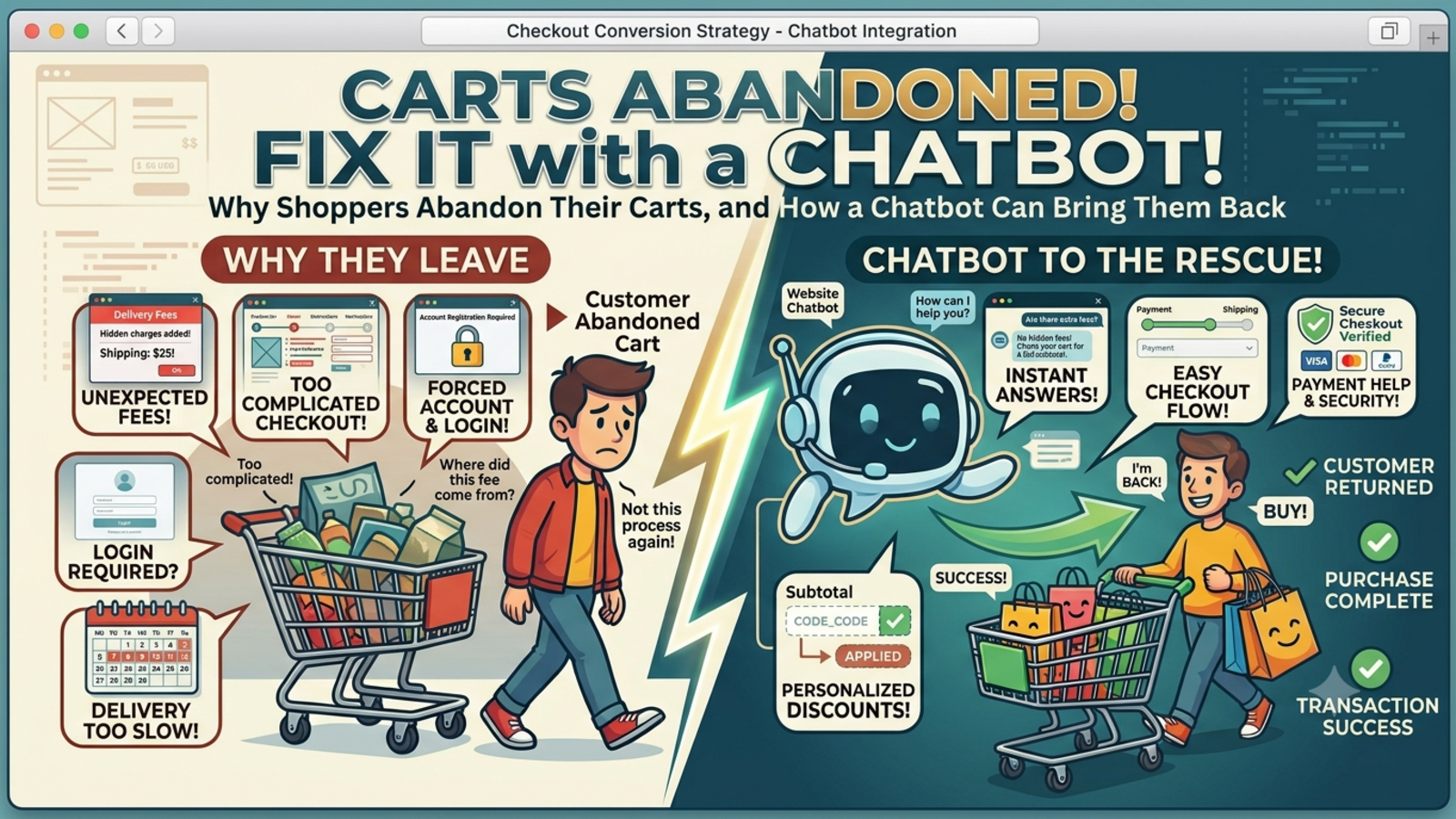
Here's the part that surprises people: in most setups, the chatbot sits on top of a help desk. The bot handles the easy questions. When it gets stuck, it creates a ticket and hands over to a human. Without a help desk behind it, a chatbot is just a dead end.
A few real-world examples
A small online clothing store with two people on the team. Most questions are "Where's my order?" and "What's your return policy?" A chatbot connected to order tracking and a clear FAQ will remove a big chunk of the workload. A simple shared inbox works fine for the rest.
A software company with 500 customers. Questions are technical and specific. Customers often need back-and-forth with someone who knows the product. A help desk with good ticketing and a solid knowledge base matters far more than a bot here. A bot might help later with account and billing questions.
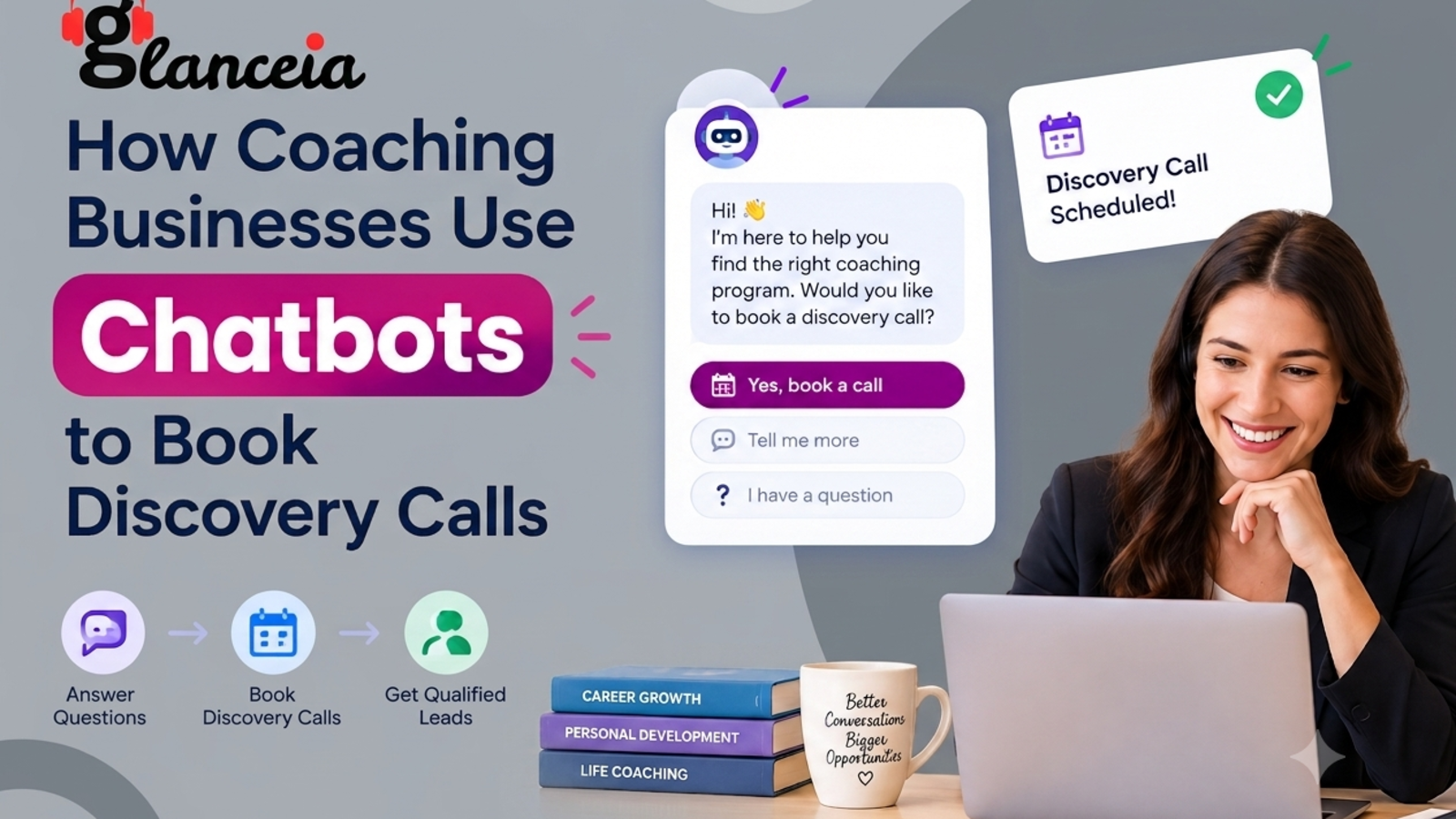
A clinic or service business. Booking, rescheduling and directions can be automated. Anything medical or sensitive needs a human. Use a chatbot for scheduling and a help desk for everything else.
The mistakes that cost businesses the most
Buying a chatbot to avoid hiring. If your answers are unclear or your processes are messy, a bot will repeat the mess faster. Fix the basics first.
Hiding the human. Customers will forgive a bot. They won't forgive being unable to reach a person. Always give them a clear way out.
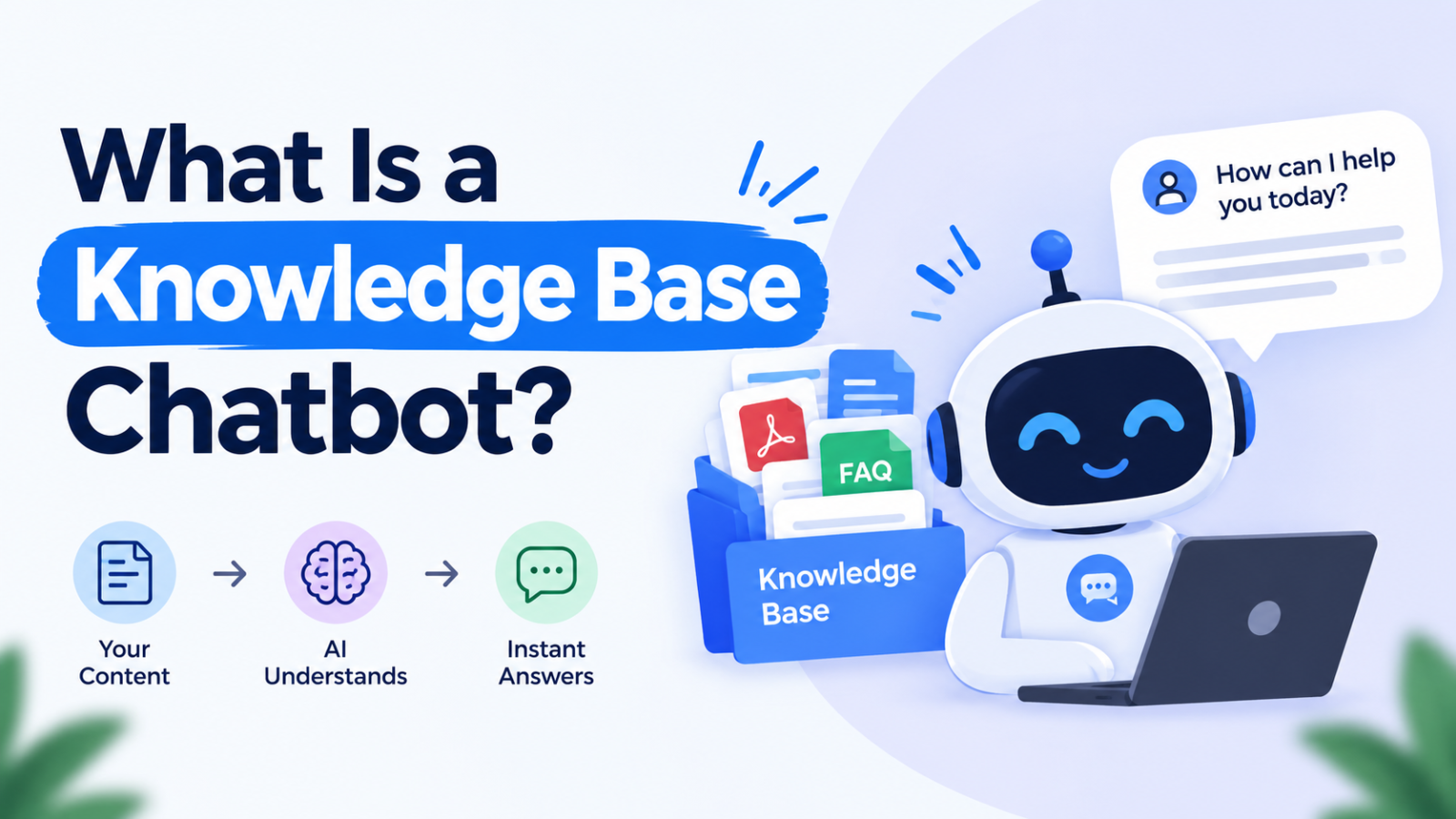
Skipping the knowledge base. Both tools work better when you have good, up-to-date answers written down. A chatbot is only as smart as the information you feed it.
Over-engineering too early. If you get twenty messages a day, you don't need an enterprise platform. A shared inbox and a clear process might be enough.
Never reviewing the results. Read your chat transcripts and tickets once a week. They tell you what customers are confused about, which is useful for your website, your product and your marketing.
How to decide in 15 minutes
Pull your last 50 customer messages and sort them into two piles:
Repeated and simple (same question, same answer)
Unique or complicated (needs a person's judgment)
If most land in pile one, a chatbot will pay off quickly. If most land in pile two, put your money into a help desk and a better team process. If it's a split, start with the help desk and add a bot for pile one.
Then ask three more questions:
How many channels do customers use to reach us?
How many people answer them?
How long do customers wait right now?
If you can't answer the last one, that alone is a sign you need a help desk.
What to look for when choosing
For a help desk: easy to set up, shared inbox, ticket assignment, saved replies, a knowledge base, basic reports, and pricing that doesn't punish you for adding a teammate.
For a chatbot: simple setup, the ability to learn from your own FAQ and help articles, a smooth handoff to a real person, support for the channels your customers already use, and transcripts you can review.
Try the free trial and test it with real questions from your own customers, not the demo script.
The bottom line
If your support is chaotic, get a help desk. If your support is repetitive, add a chatbot. If it's both, connect the two so the bot handles the simple questions and your team handles the ones that matter.
Start small, watch what your customers actually ask, and build from there.
FAQ
Is a chatbot the same as a help desk?
No. A help desk is software for tracking and managing customer requests. A chatbot is an automated tool that chats with customers. Many businesses use a chatbot as the front door to a help desk.
Can a chatbot replace a help desk?
Not really. A chatbot can answer simple questions, but you still need somewhere to track the issues it can't solve. Without a help desk behind it, those customers get stuck.
Do small businesses need a help desk?
Not always. If one person handles a handful of messages a day, a well-managed inbox can do the job. Once you have multiple team members or multiple channels, a help desk starts to save real time.
Which is cheaper, a chatbot or a help desk?
It depends on the tool and the size of your team. Many help desks charge per agent, while many chatbots charge by conversation volume or features. Compare based on your actual message volume, not the headline price.
What should I set up first?
For most businesses, the help desk. It gives you structure and data. Once you can see what customers keep asking, you'll know exactly what a chatbot should handle.